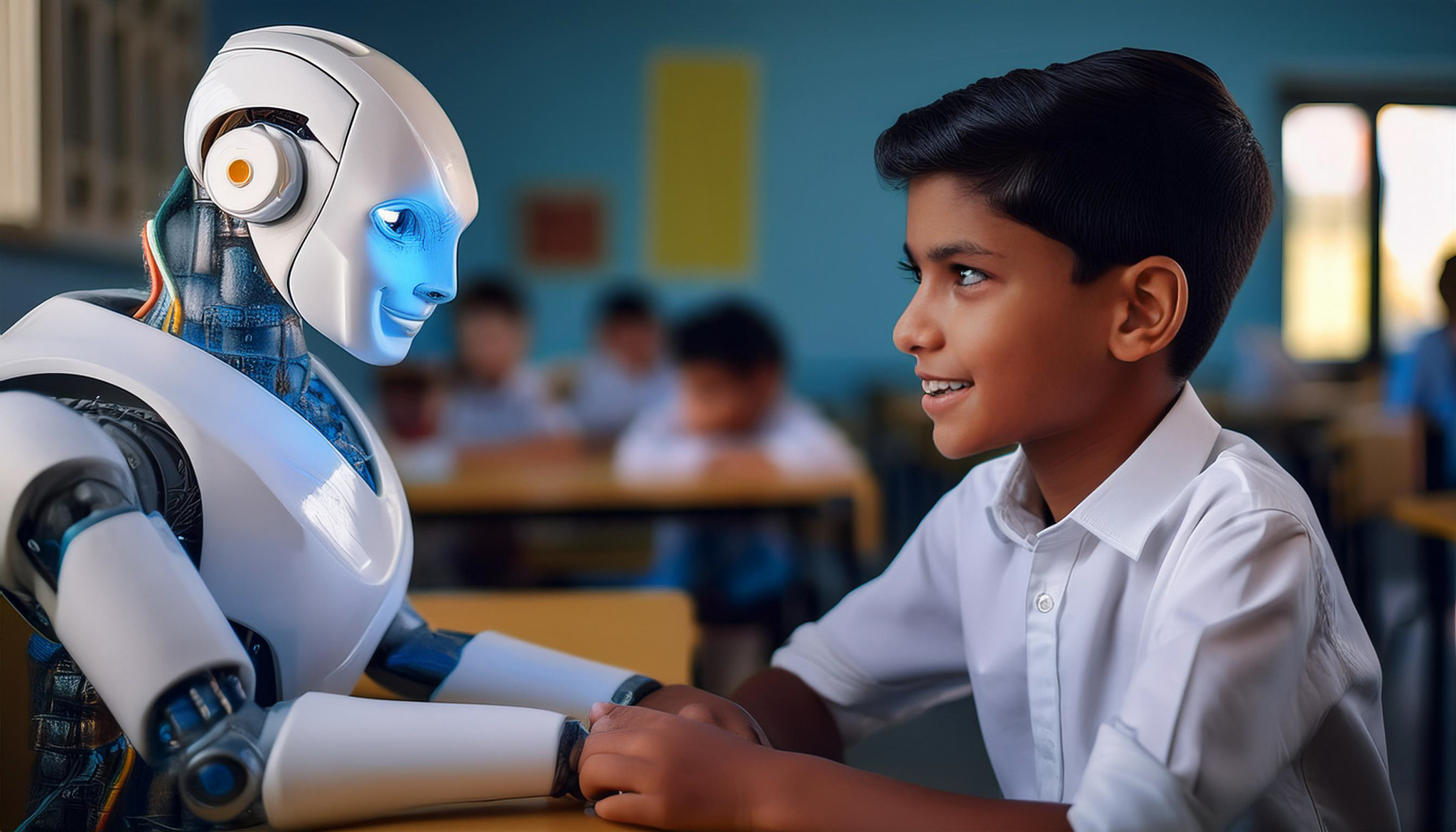

Education is being transformed by AI, enabling personalized learning, streamlining classroom processes, and empowering educators globally. As classrooms evolve, it is essential for teachers and educational trainers to understand and develop the necessary AI skills. From personalized learning and virtual tutors to adaptive testing, AI-driven technologies are transforming educational methodologies, promising significant benefits for educators and learners alike.
Personalized Learning: Meeting Individual Needs
AI facilitates personalized learning by tailoring educational experiences to meet each student’s unique learning pace, preferences, and abilities. For educators, developing skills in AI-driven personalization involves understanding how to integrate adaptive learning platforms, analyze student performance data, and design personalized interventions. Tools like DreamBox Learning or Smart Sparrow adapt educational content dynamically, enabling teachers to better understand each student’s learning curve.
Virtual Tutors: Extending Educator Reach
AI-powered virtual tutors significantly expand educators’ capabilities by providing students personalized, round-the-clock support. Educators skilled in AI can effectively leverage platforms like Carnegie Learning’s “MATHia” or Squirrel AI Learning to ensure no student falls behind. Virtual tutors provide immediate feedback, adapt lesson content dynamically, and assist students with varying needs, thus allowing teachers to focus on higher-order educational tasks such as mentoring and fostering critical thinking.
Adaptive Testing: Precision and Efficiency in Assessment
Adaptive testing, facilitated by AI, assesses student performance dynamically, adjusting difficulty in real-time. Educators proficient in adaptive testing technologies—such as Smart Sparrow or DreamBox Learning—can administer more precise assessments, pinpoint learning gaps quickly, and deliver targeted interventions. This skill ensures assessments are not just summative but also formative, actively guiding students toward improvement.
Recommended Training Resources and Certifications
Educators seeking AI skill-building opportunities should consider the following resources:
- AI in Education (EdX by Columbia University): Offers foundational knowledge in educational AI, adaptive learning systems, and personalized instruction.
- IBM AI Education Professional Certificate (Coursera): Comprehensive training on using AI in classrooms, personalized learning, and adaptive assessments.
- ISTE AI Explorations and Their Practical Use in Schools: Designed for educators, this course offers practical skills and lesson plans for implementing AI.
- Google AI for Educators Program: Helps educators integrate AI tools into daily teaching practices effectively.
Real-World Case Studies
Georgia State University’s AI-driven Retention System
Georgia State University implemented AI chatbots to provide personalized student assistance, significantly increasing retention rates. By automating routine queries and identifying students who needed extra support, educators were empowered to deliver timely, personalized interventions, improving student outcomes dramatically.
Century Tech in the UK
Century Tech’s AI-driven platform helps UK educators personalize education, utilizing algorithms to provide custom lessons and assessments tailored to individual student needs. Teachers reported significant improvements in student engagement and academic performance, underscoring the effectiveness of targeted AI interventions.
Practical Skill-Building Steps for Educators
- Understand Basic AI Concepts: Begin by learning fundamental AI concepts, machine learning, data analytics, and practical classroom applications.
- Explore Educational AI Tools: Familiarize with platforms such as adaptive learning systems and virtual tutoring software.
- Implement Small-Scale Projects: Gradually introduce AI-powered technologies into classrooms, assessing their effectiveness and building confidence.
- Collaborate and Share Knowledge: Engage in professional learning communities, exchanging best practices, challenges, and insights related to AI adoption.
Challenges in AI Adoption for Educators
- Technical Skill Gaps: Many educators initially face challenges mastering new AI tools due to a lack of previous technical training.
- Privacy and Data Security: Managing student data securely and ethically remains a significant concern.
- Equitable Access: Ensuring all students and educators have equitable access to AI resources remains a critical challenge, particularly in underfunded schools.
Expert Perspectives
Education and AI experts provide key insights:
- Dr. Rose Luckin, Professor at UCL Knowledge Lab, emphasizes, “Educators don’t need to be AI specialists, but they must understand how AI can enhance teaching effectiveness, personalization, and accessibility.”
- Sal Khan, Founder of Khan Academy, highlights, “AI enables teachers to provide more human-centric education, spending less time on repetitive tasks and more on mentoring and personalized instruction.”
Practical Career Benefits for Educators
Educators who develop AI skills gain substantial career advantages:
- Career Advancement: Increased opportunities in instructional design, educational leadership, and curriculum innovation.
- Professional Development: Enhanced capability to deliver personalized, impactful education, establishing educators as innovators within their institutions.
- Efficiency and Effectiveness: Reduction in workload through AI-enabled grading, lesson planning, and analytics, improving teaching quality and work-life balance.
Preparing Educators for the Future
As AI continues to redefine educational landscapes, educators who proactively upgrade their AI skills will lead the charge in innovative teaching practices. Future educators will embrace roles as facilitators and mentors, harnessing AI technologies to provide highly personalized, inclusive education.
Conclusion
Artificial Intelligence holds immense potential for transforming education globally, providing educators tools to significantly enhance personalized teaching, adaptive learning, and overall student achievement. Educators who actively pursue AI skill development today will be well-equipped leaders in the rapidly evolving educational landscape, effectively shaping the future of learning and fostering student success in unprecedented ways.