
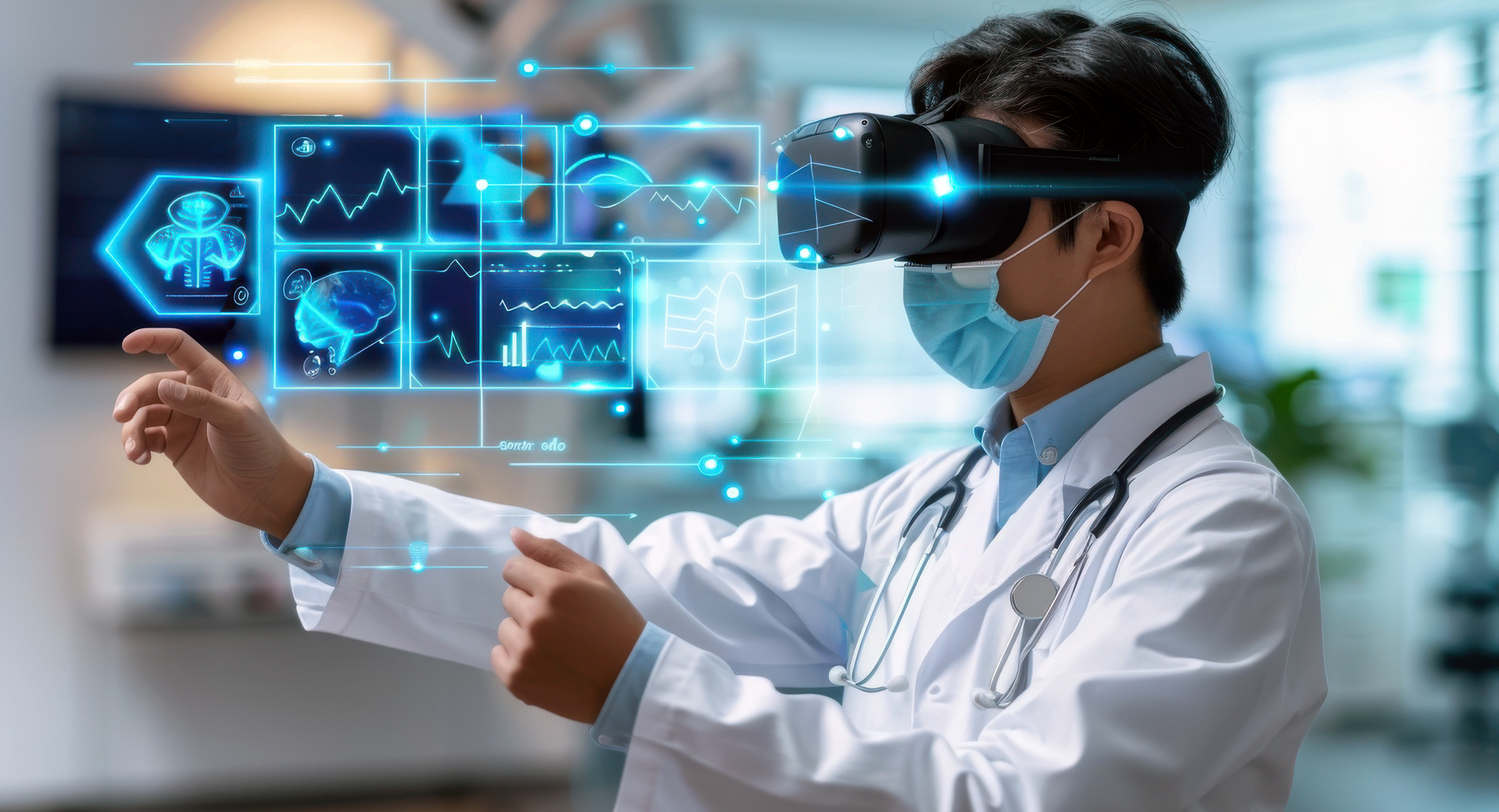

AI is becoming an essential part of modern healthcare, transforming patient care, diagnostics, treatment planning, and medical research. For healthcare professionals, developing robust AI competencies is no longer optional; it’s becoming essential. From diagnostics and telemedicine to personalized patient monitoring and advanced research, AI expertise significantly enhances healthcare delivery and career growth opportunities.
Essential AI Competencies for Healthcare Professionals
Diagnostics and Imaging
Healthcare professionals can greatly benefit from AI competencies in diagnostic imaging. AI-driven algorithms such as those used by companies like Zebra Medical Vision analyze X-rays, CT scans, and MRIs with remarkable accuracy, detecting subtle anomalies early. Professionals proficient in interpreting AI-driven diagnostics can make faster and more accurate diagnoses, significantly improving patient outcomes.
Telemedicine and Virtual Care
AI enhances telemedicine capabilities, offering scalable, personalized remote healthcare solutions. Competencies in AI-driven telemedicine systems, including virtual health assistants and remote monitoring devices, enable professionals to deliver effective care irrespective of geographic barriers. Companies like Babylon Health utilize AI to provide virtual consultations and patient monitoring, significantly improving accessibility and efficiency in patient care.
Patient Monitoring and Predictive Analytics
AI skills in predictive analytics are invaluable for real-time patient monitoring. Healthcare providers leveraging predictive algorithms, like those from Epic Systems, can proactively identify patient health risks and provide timely interventions. This competency allows medical professionals to preemptively address patient deterioration, improving patient outcomes and reducing hospital readmissions.
AI in Medical Research
Understanding AI methodologies and data analysis techniques empowers healthcare researchers to enhance medical discoveries. AI-driven research platforms can rapidly analyze large datasets, facilitating quicker breakthroughs in treatment methods, drug discovery, and disease prevention.
Recommended Courses and Certifications
- AI in Healthcare Specialization (Coursera – Stanford University): Covers foundational AI principles, applications in diagnostics, and healthcare-specific machine learning.
- Artificial Intelligence in Healthcare (MIT Professional Education): Focuses on practical AI applications in clinical settings, ethical considerations, and regulatory frameworks.
- IBM AI Healthcare Professional Certificate: Provides training in AI technologies specifically designed for healthcare applications, from predictive analytics to imaging.
- HarvardX: Data Science in Healthcare (edX): Introduces healthcare professionals to critical data science concepts, AI analytics, and patient care improvement strategies.
Practical Career Benefits and Job Roles
Healthcare professionals proficient in AI significantly expand their career horizons. Potential roles include:
- Clinical AI Analyst: Interpreting AI analytics for improved patient outcomes.
- AI Health Specialist: Designing AI-driven care delivery solutions, enhancing patient experience and operational efficiency.
- Healthcare Data Scientist: Focusing on predictive analytics, personalized medicine, and healthcare research.
- Telemedicine Coordinator: Utilizing AI tools to facilitate virtual care and remote monitoring services.
Real-World Examples and Case Studies
- Google DeepMind & Moorfields Eye Hospital: AI systems successfully predicted eye diseases with exceptional accuracy, highlighting the transformative potential of AI in ophthalmology.
- Mount Sinai Health System: Utilized AI-driven predictive analytics to forecast patient risks, reducing hospital readmissions and improving patient care significantly.
Expert Insights
Experts emphasize the crucial role AI proficiency plays in healthcare:
- Dr. Eric Topol, AI healthcare advocate, notes, “Healthcare professionals must embrace AI—not as a replacement, but as a powerful ally that enhances diagnostic accuracy and patient outcomes.”
- Dr. Bertalan Mesko, the “Medical Futurist,” advises, “Continuous education in AI will define future leaders in healthcare, enabling practitioners to provide higher-quality, personalized patient care.”
Challenges in Adopting AI Skills
Despite clear benefits, healthcare professionals face challenges:
- Data Privacy and Ethical Concerns: Handling sensitive patient data responsibly remains a critical challenge.
- Integration Complexity: Integrating AI systems into existing clinical workflows requires careful planning and training.
- Algorithm Bias: Professionals must understand and manage potential biases in AI systems to ensure equitable care.
Industry Insights from Experts
Healthcare leaders highlight essential considerations:
- Dr. Fei-Fei Li, Co-director of Stanford’s Human-Centered AI Institute: “AI training for healthcare professionals must emphasize ethical responsibility, fairness, and human-centered approaches.”
- Dr. Atul Gawande, Harvard professor and healthcare innovator: “Healthcare professionals should view AI as a necessary competency, essential for delivering future-proof, efficient, and empathetic patient care.”
Challenges in AI Adoption
Challenges in AI adoption include:
- Technical Barriers: Integrating AI tools into existing healthcare IT infrastructures can be complex.
- Cultural Resistance: Staff reluctance to adopt AI-driven processes due to fear of job displacement.
- Data Privacy Concerns: Managing sensitive patient data responsibly and ethically remains a critical concern.
How Healthcare Professionals Can Overcome These Challenges
- Continuous Learning: Actively participate in regular training programs and certifications to stay current with evolving AI technologies.
- Collaborative Integration: Foster collaborative environments where medical and technical staff work together seamlessly.
- Prioritize Ethical AI Usage: Adopt rigorous ethical frameworks that ensure transparency, accountability, and fairness in AI applications.
Preparing for the Future
Embracing lifelong learning in AI is crucial for healthcare professionals to remain relevant and effective. By continuously upgrading AI skills, professionals ensure they can deliver cutting-edge care, effectively address healthcare challenges, and position themselves as leaders in an evolving healthcare landscape.
Conclusion
Artificial Intelligence is reshaping healthcare dramatically, offering healthcare professionals unprecedented opportunities to enhance their capabilities, improve patient outcomes, and revolutionize care delivery. Professionals who proactively embrace AI skill-building today will lead healthcare into a future characterized by enhanced accuracy, personalization, and innovation—creating a healthier world for everyone.