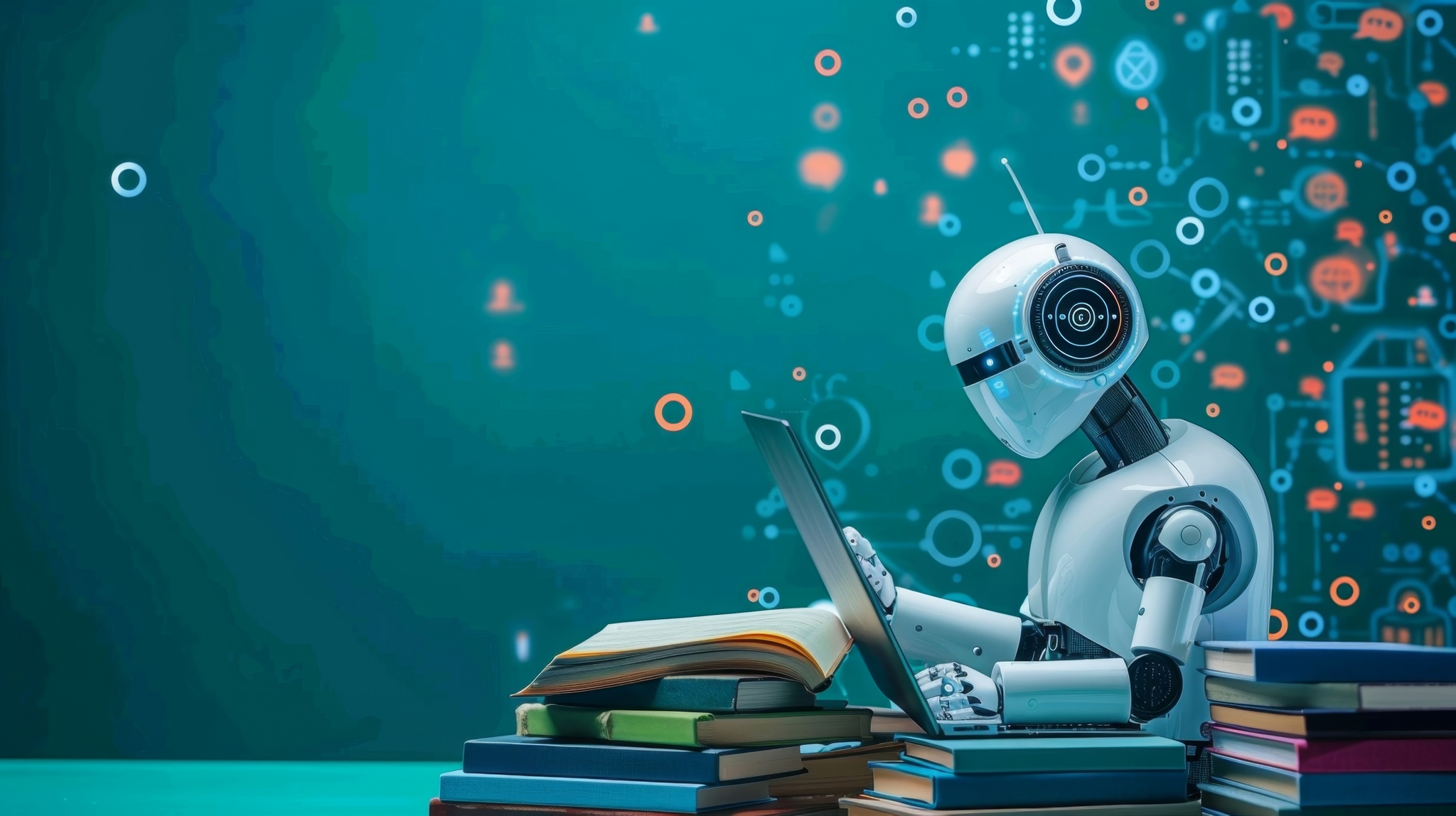

Education is undergoing a profound transformation, AI redefining the way educators teach and students learn worldwide. From personalized learning and virtual tutors to adaptive testing and immersive virtual reality experiences, AI-powered educational tools are fundamentally reshaping traditional classrooms, offering dynamic, customized, and inclusive educational opportunities.
Personalized Learning: Tailoring Education to Individual Needs
One of AI’s greatest strengths in education lies in personalized learning. Traditional education often struggles with diverse learner needs within a standardized curriculum. AI changes this by analyzing individual student data, understanding unique learning patterns, and customizing educational content accordingly.
Platforms like DreamBox Learning utilize AI-driven algorithms to provide personalized math education, continuously adapting to each student’s strengths and weaknesses, significantly enhancing engagement and academic outcomes. Similarly, Khan Academy employs AI to track progress and recommend tailored content, creating personalized pathways for learners globally.
Virtual Tutors: AI as Personal Educators
AI-powered virtual tutors offer round-the-clock personalized support, fundamentally enhancing educational accessibility. Platforms such as Carnegie Learning’s “MATHia” combine cognitive science and AI to provide students real-time, personalized guidance, mimicking one-on-one tutoring sessions effectively. These AI tutors help bridge gaps for students who lack direct access to human educators, leveling the playing field, especially in underserved communities.
Adaptive Testing: Accurate and Fair Assessments
Adaptive testing, driven by AI, dynamically adjusts the difficulty level of questions based on students’ performance in real-time, providing a precise measure of students’ knowledge and abilities. For instance, platforms like Smart Sparrow deliver adaptive assessments that identify specific areas of difficulty, allowing teachers to intervene promptly with targeted support. This approach not only improves test accuracy but also reduces student anxiety and encourages continuous learning rather than rote memorization.
Automation in Administrative Tasks: Streamlining Efficiency
AI is revolutionizing administrative tasks within educational institutions, significantly reducing workload burdens on educators. AI-powered systems automate grading, attendance tracking, scheduling, and communication. Applications like Gradescope automatically grade assessments, dramatically cutting down grading time and allowing teachers to dedicate more attention to personalized student interaction and instruction quality.
Intelligent Learning Platforms: Enhancing Collaborative Learning
AI-driven learning platforms have redefined collaborative education. Platforms like Coursera and Edmodo incorporate AI-driven analytics that monitor learner engagement, offer real-time feedback, and facilitate personalized recommendations. These intelligent systems enable students and educators to collaborate seamlessly, promoting a richer, more interactive learning environment.
Immersive Technologies: Virtual Reality (VR) in Education
AI-powered virtual reality (VR) represents a significant leap forward, immersing students in interactive, experiential learning environments previously impossible within traditional classroom settings. Platforms like Google Expeditions offer virtual field trips, enabling students to explore historical landmarks, geographical locations, and scientific phenomena interactively. These immersive experiences significantly enhance engagement, retention, and deep learning by stimulating students’ curiosity and creativity.
AI-Driven Student Assessment and Analytics
Advanced AI analytics provide educators with detailed insights into student performance, identifying at-risk learners early and prompting timely intervention. AI-driven analytics platforms like BrightBytes provide detailed performance metrics, predictive insights, and actionable recommendations, empowering educators to make data-informed decisions and effectively improve student outcomes.
Real-World Examples and Case Studies
- Georgia State University: Leveraged AI-powered chatbots to improve student retention rates significantly by identifying and supporting at-risk students through personalized interventions.
- Century Tech: Utilizes AI-driven adaptive learning tools across schools in the UK, demonstrably improving student engagement and academic performance through personalized educational experiences.
Expert Opinions and Insights
Educational experts highlight AI’s transformative potential:
- Dr. Rose Luckin, professor at University College London, emphasizes, “AI enables education to become more inclusive, personalized, and effective, but we must remain vigilant to ensure AI tools are deployed ethically and equitably.”
- Sal Khan, founder of Khan Academy, underscores, “AI-driven personalized learning not only enhances educational efficiency but ensures each learner receives the unique support they need to succeed.”
Potential Drawbacks and Ethical Considerations
While AI offers transformative educational benefits, potential drawbacks and ethical concerns remain significant. Issues of data privacy, algorithmic bias, and over-reliance on technology are central concerns. Excessive dependence on AI might reduce critical interpersonal interactions between teachers and students, risking the undervaluation of essential social-emotional learning components.
Addressing these concerns requires thoughtful implementation, transparent AI design, robust privacy safeguards, and maintaining an essential balance between technological innovation and human interaction.
Future Implications for Educators and Learners
Looking ahead, AI’s educational impact will likely deepen, becoming increasingly integrated into educational curricula worldwide. Educators must adapt by gaining proficiency in AI-driven tools, reshaping their roles from content providers to facilitators of personalized learning. Learners, equipped with AI-driven personalized education, will experience unprecedented autonomy, empowerment, and accessibility in their educational journeys.
Future classrooms will blend AI-driven tools seamlessly with traditional pedagogy, optimizing educational outcomes, enhancing equity, and fostering lifelong learning.
Actionable Recommendations for Educators and Institutions
- Professional Development in AI: Educators should continuously enhance their proficiency with AI technologies to maximize educational benefits.
- Balanced Integration of AI: Institutions must strategically integrate AI, maintaining essential human interactions and ethical standards.
- Focus on Equity: Deploy AI technologies equitably, ensuring they bridge rather than widen educational disparities.
Conclusion
Artificial Intelligence undeniably revolutionizes education, offering unparalleled potential to enhance personalized learning, streamline administrative processes, and democratize educational access. However, fully realizing AI’s educational promise demands ethical vigilance, balanced integration, and sustained investment in educator training.
Ultimately, AI-powered education signifies not just technological advancement but a profound shift toward a more equitable, personalized, and empowering global educational landscape, enriching the future for learners and educators alike.