
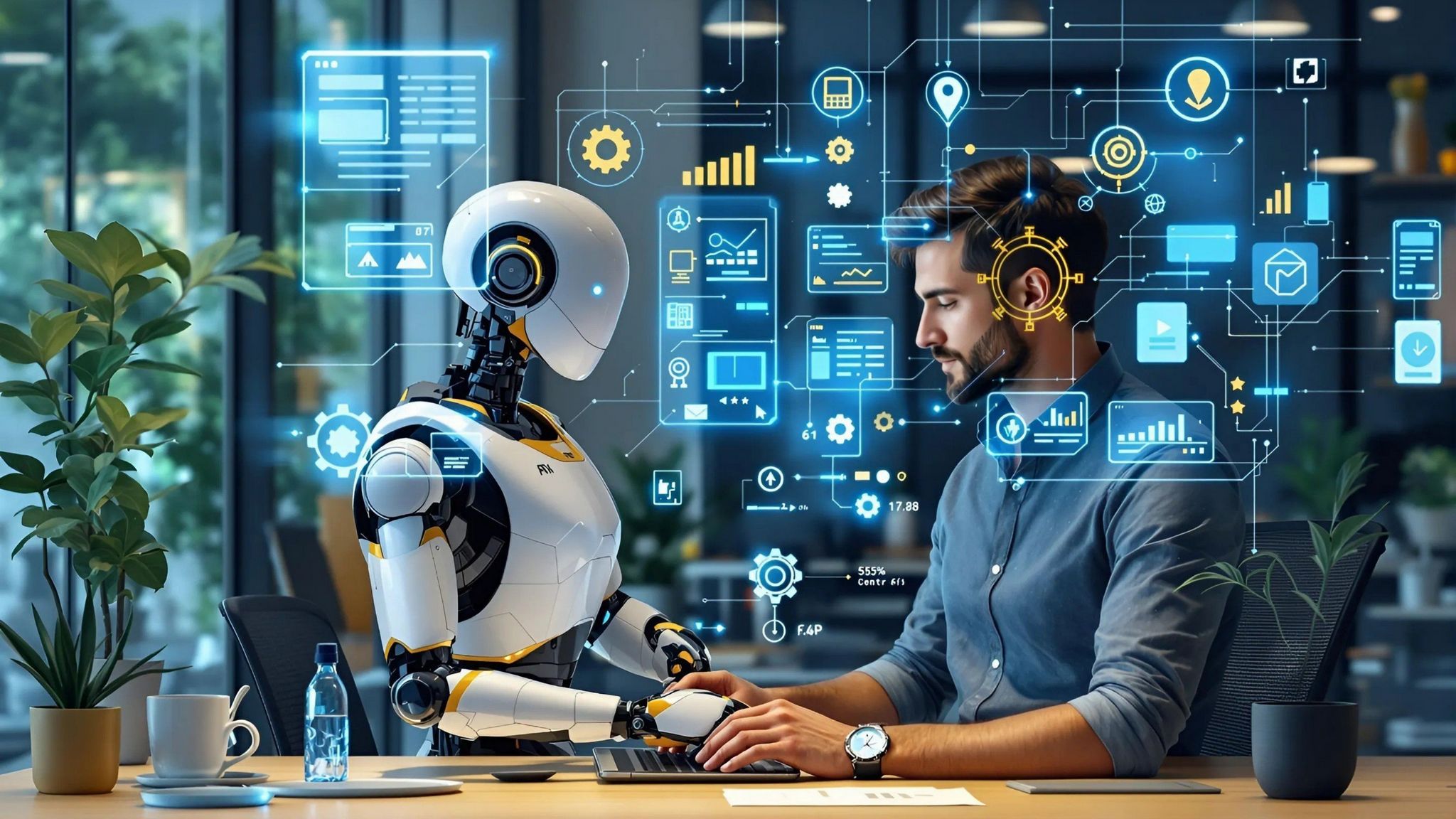

Artificial Intelligence (AI) is revolutionizing the IT and technology industries at an unprecedented pace. For tech professionals, staying competitive means continuously upgrading their skills, particularly in AI-related domains. Whether in cybersecurity, software engineering, or data analytics, acquiring AI competencies is no longer optional—it’s essential for career advancement and industry relevance.
Critical AI Skills for Cybersecurity Professionals
Cybersecurity is rapidly evolving due to the increasing sophistication of cyber threats. AI plays a crucial role in enhancing cybersecurity measures, and professionals skilled in AI can significantly strengthen an organization’s cyber defenses.
- Threat Detection and Prevention: Mastering AI-powered security tools like Darktrace or Cylance helps tech professionals proactively detect threats through advanced pattern recognition and anomaly detection.
- Predictive Analytics: Proficiency in AI-driven predictive analytics enables cybersecurity professionals to anticipate vulnerabilities and threats before they materialize, dramatically reducing response times.
AI in Software Engineering
AI is increasingly embedded in software engineering, transforming development processes from coding to quality assurance:
- AI-Driven Development Tools: Understanding and utilizing tools like GitHub Copilot or DeepCode can help professionals automate routine coding tasks, enhancing productivity and reducing errors.
- Software Testing Automation: Proficiency in AI-based automated testing platforms significantly reduces manual testing efforts, improving software quality and reliability.
Data Analytics and AI: Turning Data into Insights
Data analytics is another critical area where AI competencies are highly beneficial. AI skills allow tech professionals to analyze complex datasets effectively, providing valuable business insights and driving informed decision-making.
- Machine Learning Algorithms: Competence in machine learning (ML) algorithms allows professionals to perform predictive modeling and deep analytics, enabling organizations to leverage data strategically.
- Data Visualization Tools: Familiarity with AI-driven analytics platforms like Tableau or Power BI empowers professionals to translate complex data into actionable business intelligence.
Recommended AI Courses and Certifications for Tech Professionals
- IBM AI Engineering Professional Certificate (Coursera): Comprehensive training covering machine learning, deep learning, and practical AI applications in software engineering.
- Google AI Professional Certificate: Offers in-depth training in machine learning, predictive analytics, and AI applications in technology.
- Deep Learning Specialization (deeplearning.ai): Extensive practical insights into AI and neural networks essential for advanced software development and analytics.
- Certified Information Systems Security Professional (CISSP) with AI Specialization: Ideal for cybersecurity professionals integrating AI into security practices.
Real-World Examples and Industry Case Studies
- Netflix’s AI-Powered Analytics: Netflix extensively uses AI and machine learning algorithms for content recommendations, audience insights, and personalized user experiences, exemplifying practical applications of AI skills in data analytics.
- Google’s TensorFlow in Software Development: Google leverages AI through TensorFlow to streamline software development processes, demonstrating the effectiveness of AI skills in automating and optimizing development workflows.
- Cybersecurity with Darktrace: Darktrace’s AI-driven cybersecurity platform highlights how AI can proactively identify and neutralize cyber threats in real-time, demonstrating the practical value of AI competencies in security roles.
Challenges in AI Skill Development
Tech professionals face several challenges when upgrading AI skills:
- Rapid Technological Evolution: AI is constantly evolving, requiring professionals to engage in continuous learning.
- Complexity of AI Concepts: Gaining proficiency in AI can be initially daunting due to the complexity of concepts such as neural networks, deep learning, and predictive modeling.
- Balancing Work and Learning: Time constraints and heavy workloads often limit professionals’ ability to dedicate sufficient time to training and skill enhancement.
Expert Insights and Perspectives
- Andrew Ng, AI pioneer and educator: “AI literacy will become as fundamental as computer literacy. Tech professionals must continually invest in learning AI to remain relevant.”
- Kai-Fu Lee, author of AI Superpowers: “Tech professionals who proactively embrace AI skills will drive the future of innovation, creating transformative value in their organizations.”
Career Advancement Opportunities through AI
Developing AI skills substantially broadens career prospects for IT and tech professionals:
- AI Engineer: Focus on creating and maintaining AI models, algorithms, and applications.
- Cybersecurity Analyst with AI Expertise: Specialized roles involving the use of AI for predictive threat detection and cybersecurity management.
- Data Scientist or Analyst: Positions requiring advanced skills in AI-driven analytics, predictive modeling, and data-driven decision-making.
- Software Engineer Specializing in AI Integration: Professionals adept at integrating AI capabilities into software solutions, enhancing functionality and automation.
Practical Steps to Start Your AI Skill-Building Journey
- Identify Relevant AI Skills: Determine the specific AI competencies most relevant to your career path or desired specialization.
- Enroll in Targeted Training Programs: Pursue specialized AI courses and certifications tailored to your career goals.
- Gain Practical Experience: Engage in hands-on AI projects within your current organization or through personal initiatives.
- Stay Current: Follow industry-leading AI publications, attend conferences, and participate in online AI communities.
Career Advancement Through AI Skill Development
Professionals proficient in AI will experience increased marketability, enhanced job security, and greater career mobility. Organizations actively seek AI-capable professionals to lead digital transformations, enhance operational efficiency, and maintain competitive advantages in fast-paced technological environments.
Preparing for an AI-Driven Future
AI skill development represents a strategic investment for tech professionals, enabling them to meet future industry demands effectively. By actively pursuing ongoing training, practical application, and continuous learning, professionals can leverage AI to drive innovation, career advancement, and organizational success.
Conclusion
For IT and tech professionals, acquiring and continuously upgrading AI skills is critical for career sustainability and advancement. Embracing AI competencies in cybersecurity, software engineering, and data analytics not only ensures professional relevance but also positions individuals as leaders driving technological innovation and organizational excellence. The future belongs to professionals who proactively harness AI’s transformative potential, positioning themselves as invaluable assets in an increasingly automated world.